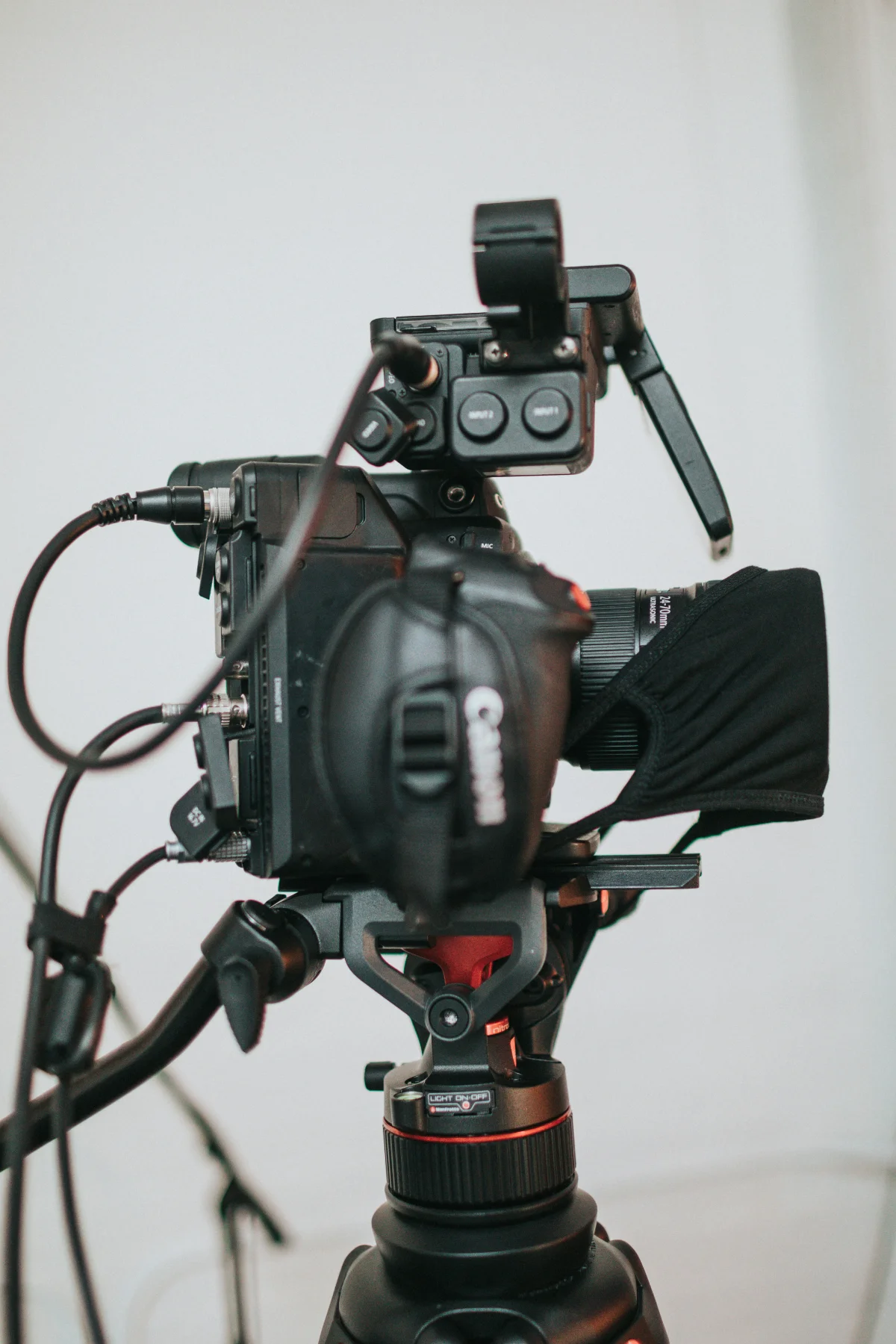
Information & Media
Studies Department
Decoding the complex structures of information and mediated reality to foster critical understanding and advanced media literacy in a global society.
The Synthesis of Information Science and Mediated Reality
The Department of Information and Media Studies serves as the intellectual bridge between raw data and societal meaning. We examine how information is curated, transmitted, and consumed, ensuring our students can navigate the complex dynamics of the global information ecosystem.
By integrating the rigor of information science with the critical lens of media studies, we produce graduates who are not merely consumers of content, but architects of knowledge—capable of managing information with precision and ethical integrity.
Our Philosophy
We believe that information is the currency of the modern age. Our philosophy is centered on critical media literacy—the ability to decode, analyze, and synthesize information to distinguish truth from noise in a saturated digital environment.
Critical Decoding
We train our students to be critical analysts of media, empowering them to dissect the underlying structures of information to uncover hidden biases and systemic narratives.
Ethical Curation
Information is a responsibility. We instill a commitment to ethical curation and the preservation of factual integrity in the face of rapid algorithmic dissemination.
Strategic Objectives
Develop a high-level capacity for information architecture, enabling students to organize and synthesize complex data into meaningful knowledge structures.
Cultivate advanced media literacy to critically evaluate the socio-cultural impact of digital and traditional media on global populations.
Equip students with the technical and theoretical tools to manage digital archives and information repositories with precision and ethical care.
Prepare future analysts capable of navigating the intersection of information science and political communication to inform public policy.
Foster a commitment to transparency and the democratic accessibility of information as a fundamental human right.
Programme Standards
Core Disciplines
- Information Architecture
- Media Sociology & Theory
- Digital Curation & Archiving
- Critical Media Literacy
Entry Requirements
- UTME or Direct Entry candidates
- Minimum credits in English and core subjects
- Aptitude for critical analysis and research
Professional Aim
- Information Strategy Mastery
- Critical Media Analysis Proficiency
- Digital Asset Management Capability
- Media Policy Expertise
Programme Focus & Scope
The Information and Media Studies programme is engineered to produce "Knowledge Architects." We bridge the gap between the technical aspects of information science and the sociological impact of media. By combining rigorous theoretical study with practical curation and analysis, we ensure our graduates can manage the flow of information in a way that is ethical, accessible, and impactful.
- Key Focus: Critical Literacy & Data Ethics
- Academic Path: B.A. in Information & Media Studies
- Core Training: Information Curation & Analysis
- Outcome: Certified Information Specialist
Information Career Pathways
Information Architect
Designing the structural logic of digital ecosystems to ensure seamless data accessibility and user experience.
Media Analyst
Evaluating communication trends and media impact to provide strategic insights for governmental and corporate bodies.
Digital Curator
Managing and preserving high-value digital archives to ensure historical and cultural data remains accessible.
Content Strategist
Planning the flow and distribution of information across multi-channel platforms to maximize public engagement.
Media Policy Advisor
Consulting on the regulatory frameworks and ethical standards governing global information systems.
Literacy Consultant
Developing educational frameworks to combat misinformation and increase critical media literacy in society.
Curate the Digital Future
Join a department where information science meets critical media study. Master the ability to synthesize knowledge and lead the charge for media literacy in a global society.